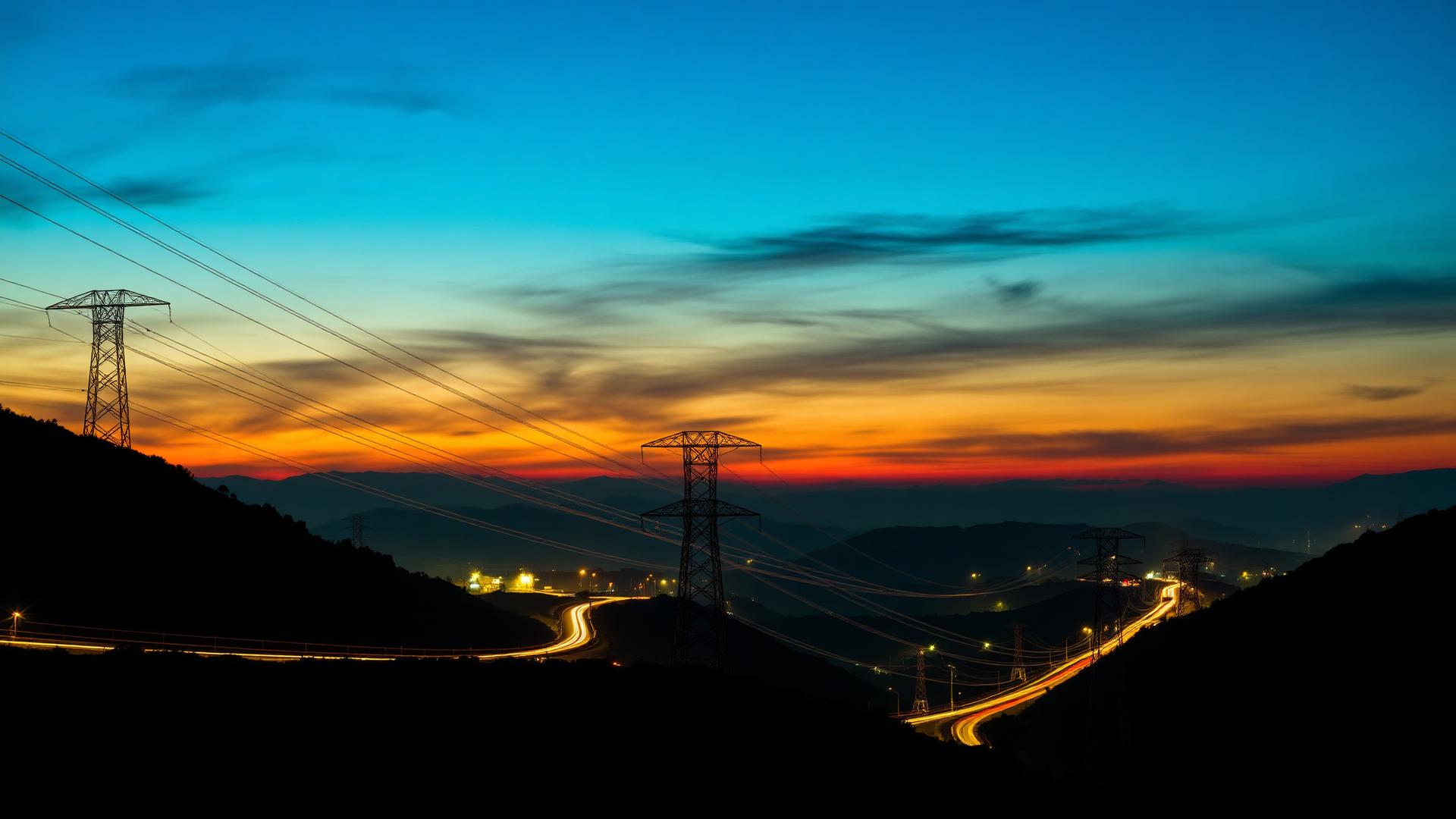


California transmission lines glowing at dusk

Energy Now

California's Energy World Is Changing Fast.

AI. Data centers. EVs. Robots. Batteries. They're changing how much electricity we need — and where we need it.

Every topic answers the same four questions.

01

What's happening?

02

Why does it matter?

03

How could it affect you?

04

What can you do?

AI & data centers

AI Runs on Electricity.

AI isn't only software in the cloud. It lives in buildings that need power for computing, cooling and supporting infrastructure.

Source: U.S. EIA
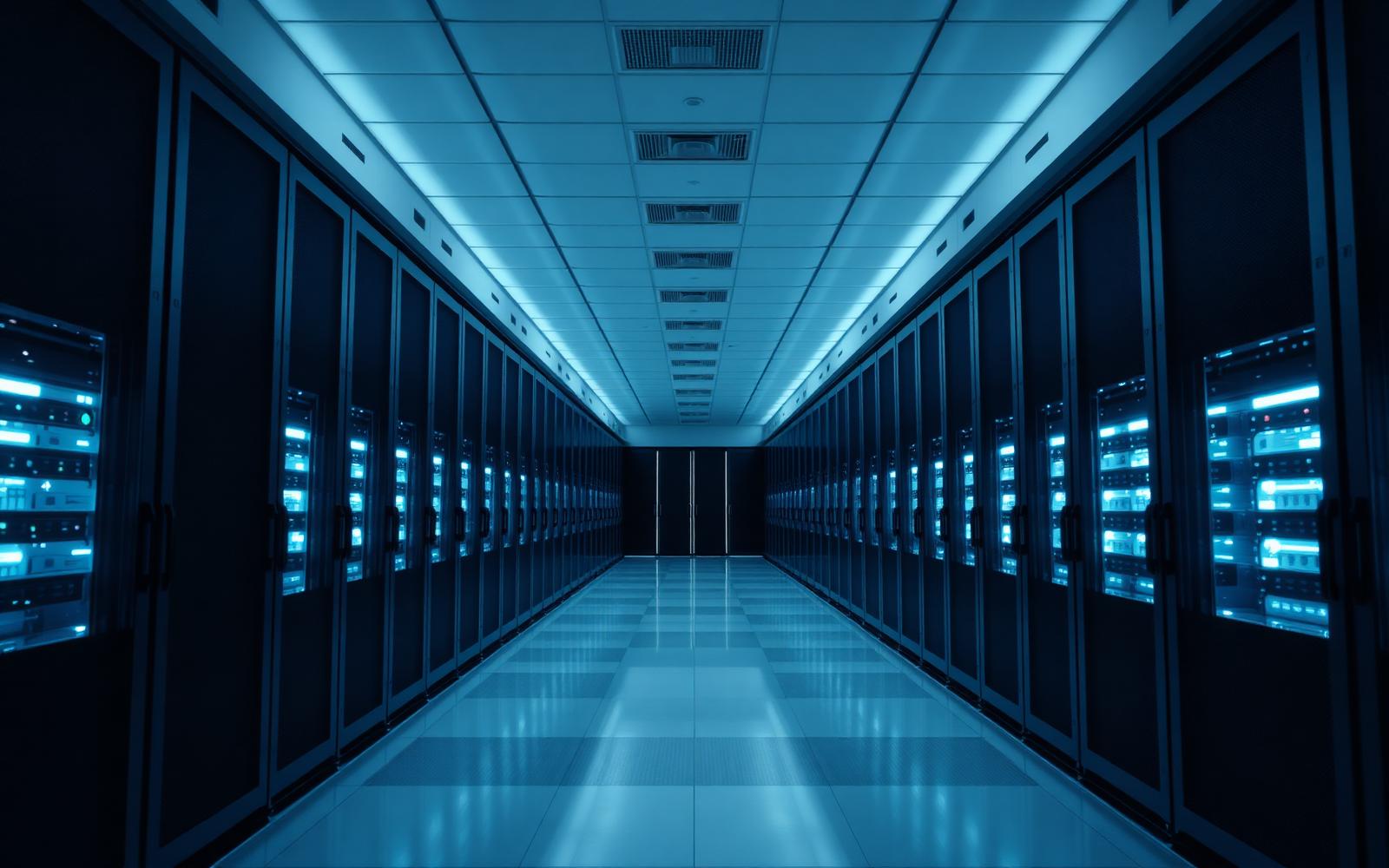
Interior of a modern data center with rows of illuminated server racks
From a single AI request to your neighborhood
AI request
Data center
Electricity
Grid
Generation + transmission
Homes & businesses

What's happening?

Computing demand is growing, and data centers are being built and expanded in several regions of the country.

Why does it matter?

Large new electricity users influence how utilities and grid operators plan generation, transmission and storage.

Electric vehicles

Your Car Is Becoming Part of the Energy System.

More vehicles now refuel from the electrical grid instead of a gas pump — often at home, overnight.

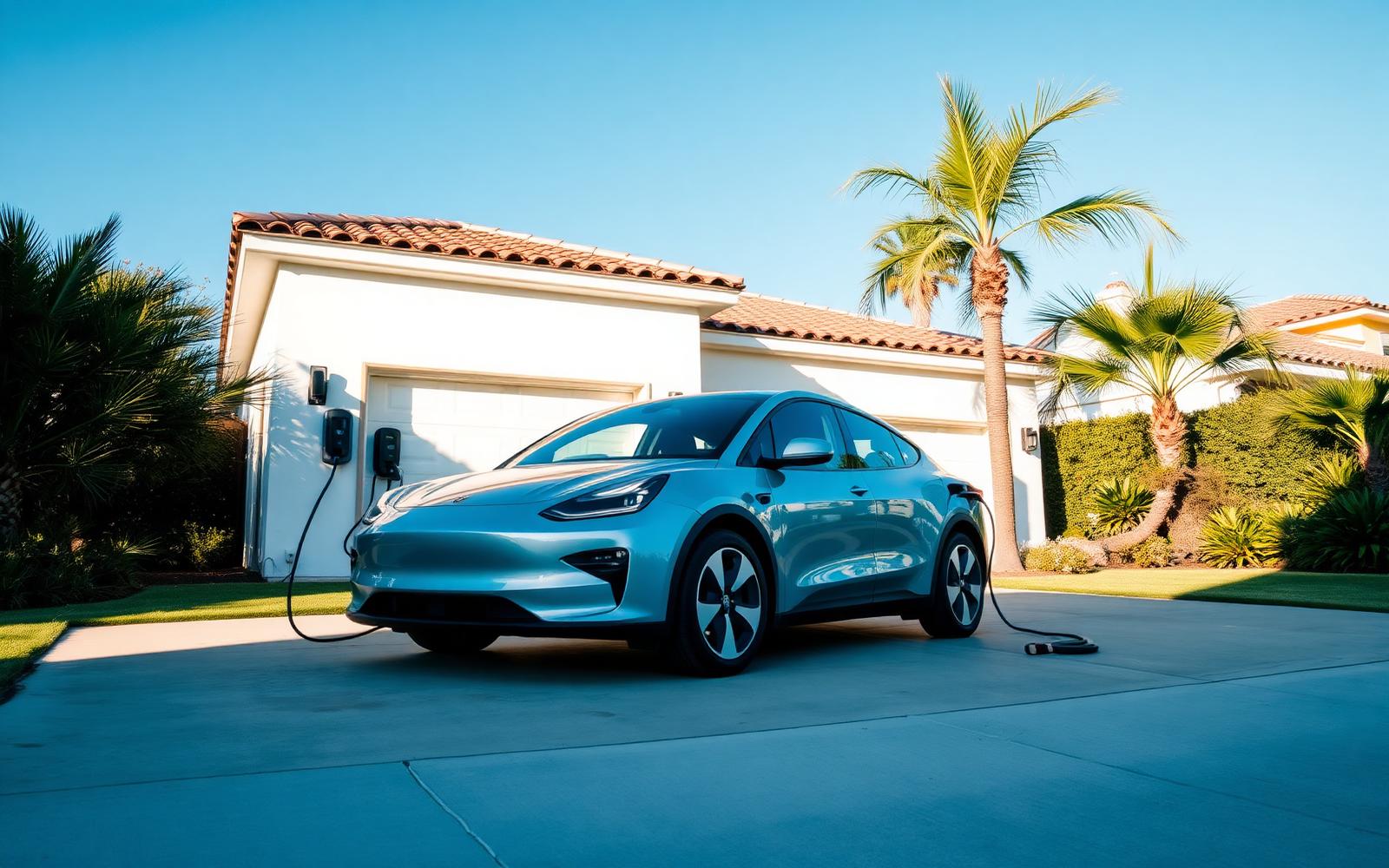
Electric vehicle charging in the driveway of a Southern California home
A new fueling path
Gasoline vehicle
EV
Home charger
Grid

What's happening?

Home and public charging continue to expand, and utilities offer time-of-use rate plans built around charging behavior.

Why does it matter?

Charging is one of the largest new loads a household can add — and one of the most controllable.

E-bikes & scooters

Transportation Is Electrifying Beyond Cars.

Short trips are shifting to small batteries — cheap to charge, and a real change in how California moves.

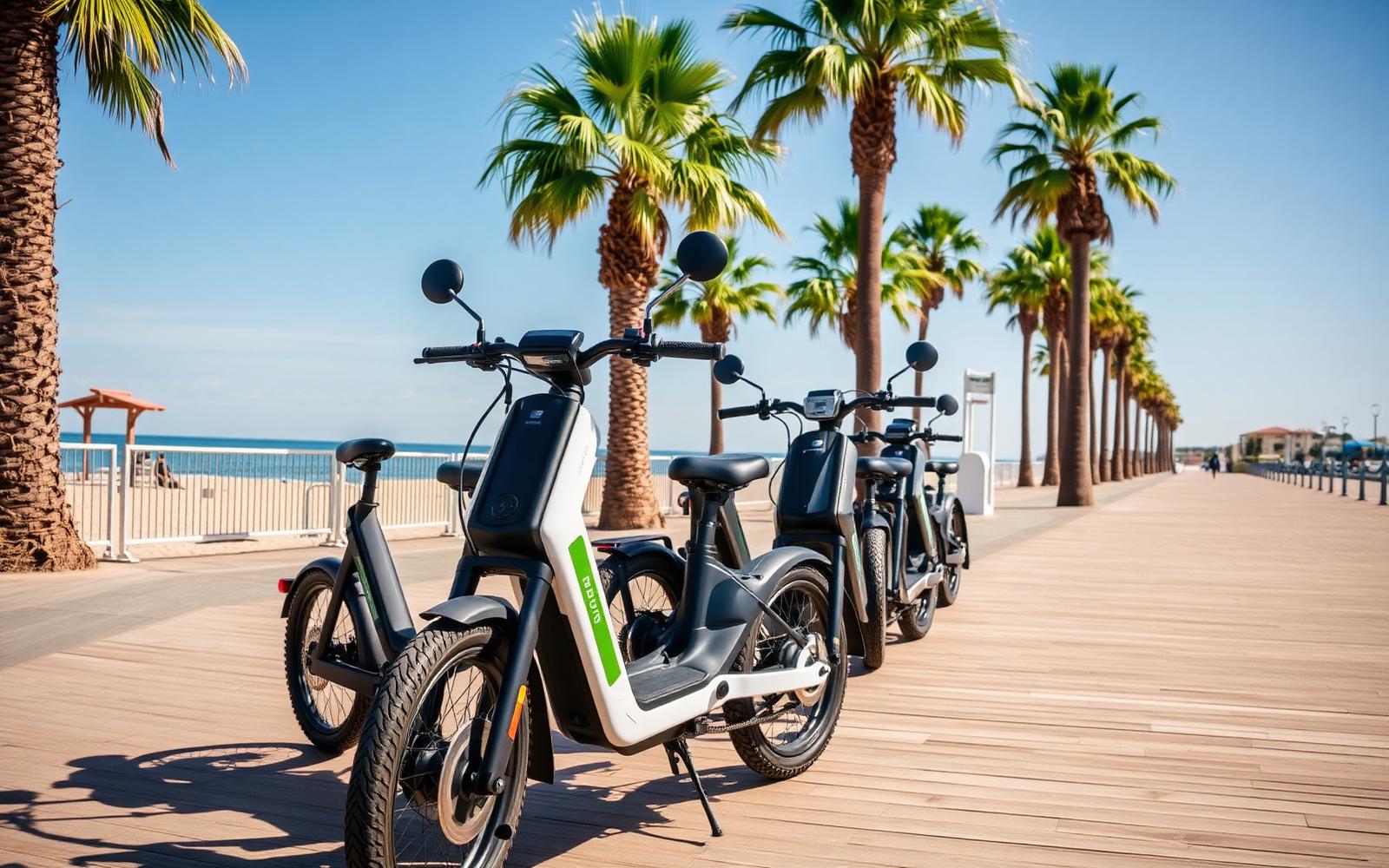
E-bikes and electric scooters parked along a California beachfront boardwalk

What's happening?

E-bikes, scooters and small electric vehicles are growing quickly in California cities and coastal communities.

Why does it matter?

Small batteries add very little household load while reducing gasoline spending and urban congestion.

Robotics & automation

AI Is Moving Into the Physical World.

Automation is entering warehouses, factories and logistics — and machines that work need power.

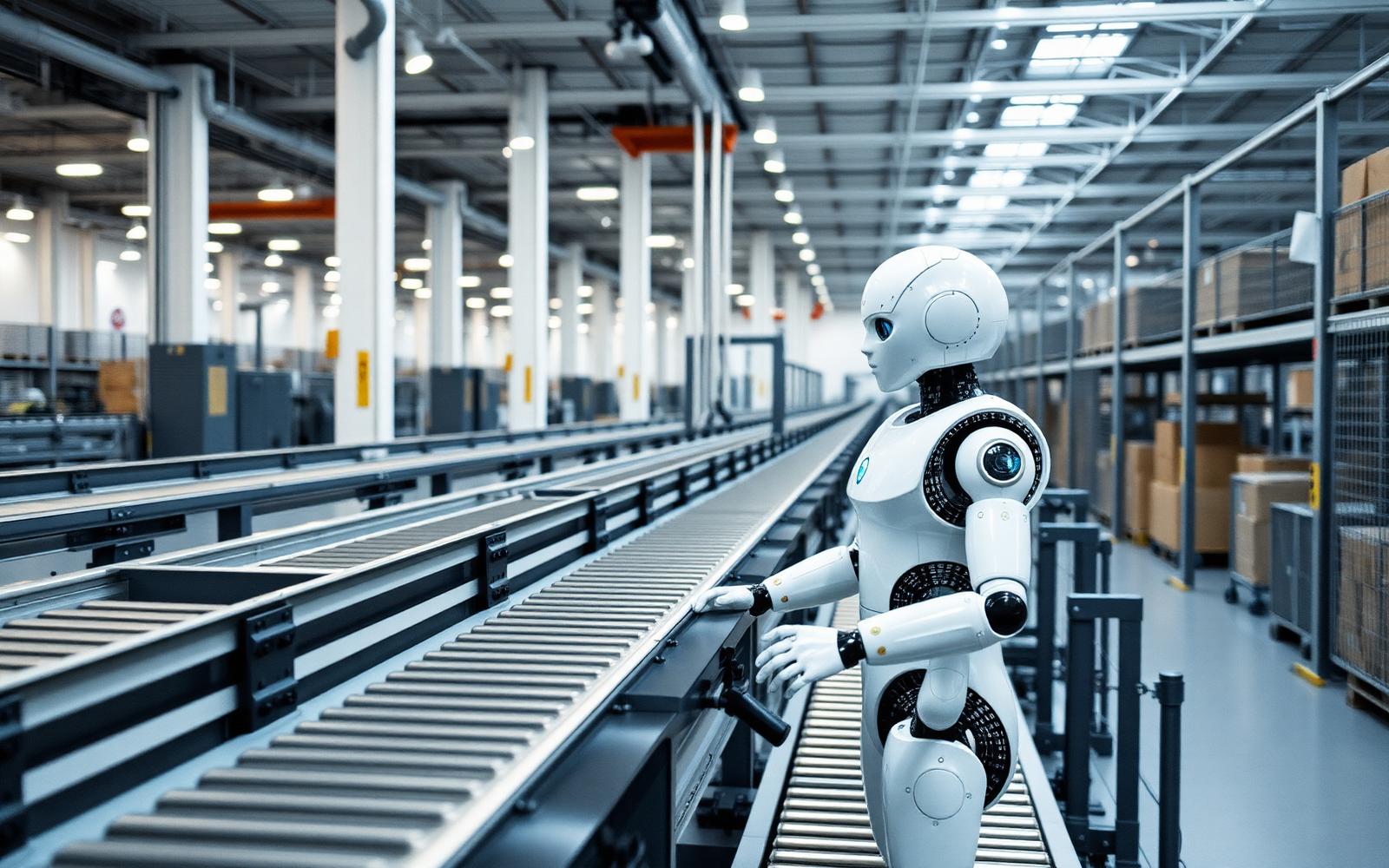
Humanoid robot working beside a conveyor system in a modern warehouse

What's happening?

Robotics and automation deployments are expanding in industrial settings. Many humanoid systems remain early-stage or experimental.

Why does it matter?

Automation adds electricity demand indirectly through manufacturing, logistics, charging and the computing behind it.

The electric home

The Home Is Becoming a Mini Energy System.

Homes increasingly produce, store and time their energy use instead of simply consuming it.

Bright modern California living room with a smart thermostat on the wall
HomeMini grid
Solar
Battery
EV
Grid

What's happening?

Smart thermostats, heat pumps, electric appliances, solar, batteries, EV charging and smart panels are becoming common together.

Why does it matter?

When a home can shift or store energy, the same comfort can cost less during expensive hours.

Batteries & VPPs

Millions of Small Batteries Can Act Like One Big Power Plant.

Utilities and providers can call on many home batteries at once when the grid is strained.

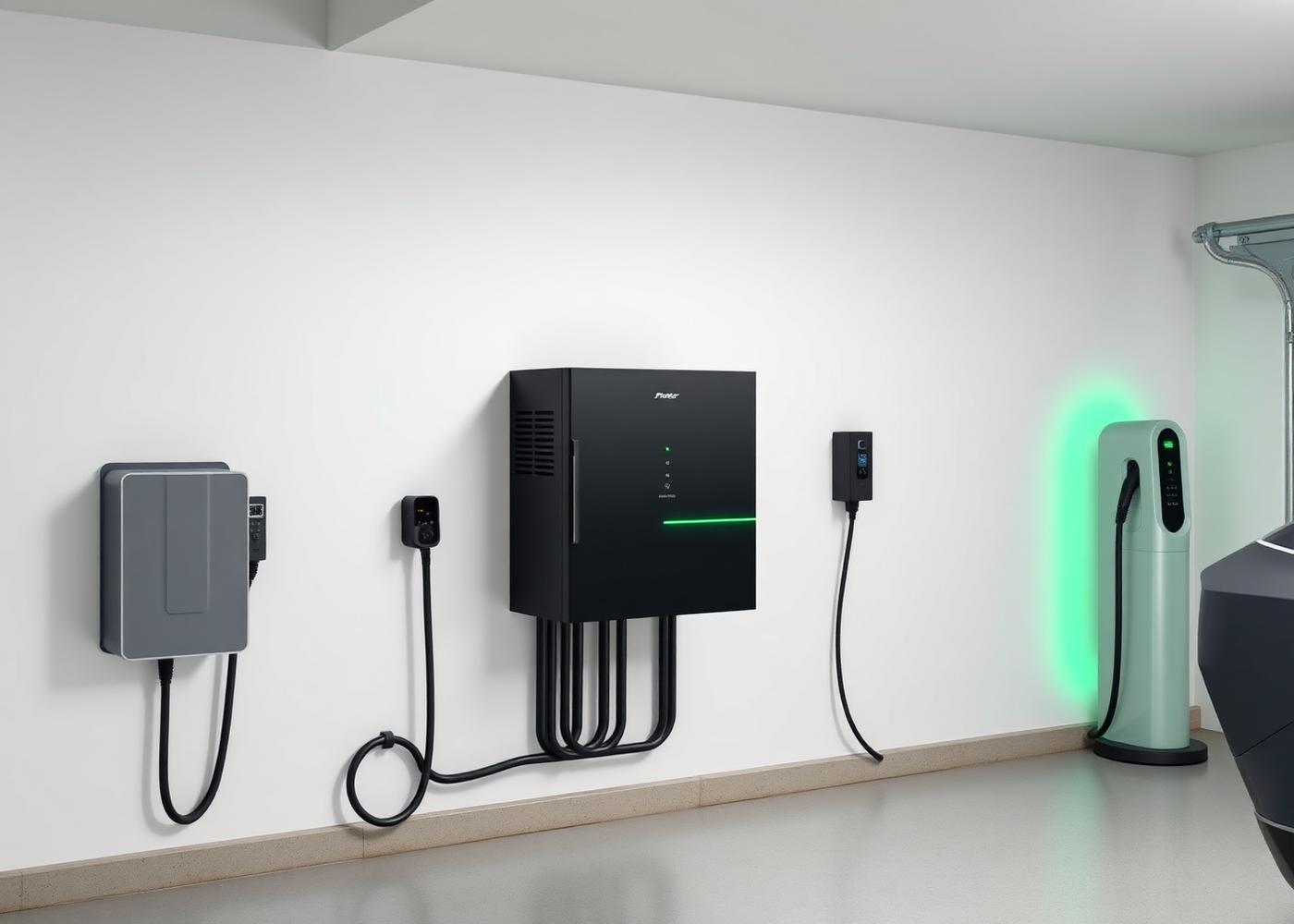
Home battery and EV charger mounted in a clean modern garage

Virtual Power Plant

The Grid

What's happening?

Virtual power plant programs coordinate thousands of home batteries as a single flexible resource.

Why does it matter?

Participation can provide backup power and, in some programs, compensation — but programs, payments and eligibility vary by utility and provider.

The grid

The Grid Wasn't Built for This.

Much of the system was designed for one-way power delivery — not two-way, weather-stressed, electrified demand.

Source: CAISO
High-voltage transmission lines crossing California hills at dusk
Electricity moves in more directions than it used to
Generation
Transmission
Cities
Homes
EVs
Data centers
Batteries

What's happening?

Electrification and new large loads are driving upgrades across generation, transmission, distribution and storage.

Why does it matter?

Who pays for grid investment is a genuinely complex question. Funding can come from utility investment, customer rates, government programs, private investment and other mechanisms — the mix varies by project.

Some Changes Happen Inside Your Home. Others Affect the System Around It.

EV charging
Home electricity consumption
Rate plan
Battery
Solar
Efficiency
Appliances
Time-of-use behavior
California's Energy World Is Changing Fast.

What's happening now

Current stories.

AI & Data Centers
AI & Data Centers

Computing demand is showing up on the grid

Data centers use electricity for computing, cooling and supporting infrastructure.

Why this matters to you: Regional demand growth can influence how utilities plan generation and transmission.

Electric Vehicles
Electric Vehicles

Home charging is becoming a household energy decision

When you charge can matter as much as how much you charge.

Why this matters to you: Time-of-use rate plans can change what charging costs at home.

Battery Storage
Battery Storage

Storage keeps growing across California

Batteries shift energy from low-demand hours into peak hours.

Why this matters to you: Some households may qualify for storage or virtual power plant programs.

California Grid
California Grid

Peak hours are the pressure point

Supply, demand and transmission all have to line up in real time.

Why this matters to you: Grid conditions influence rate design and conservation alerts.

Utility Rates
Utility Rates

Rate structures keep evolving

Rate plans, fixed charges and time periods are periodically revised.

Why this matters to you: The plan you're on may no longer be the best fit for your household.

Wildfires & PSPS
Wildfires & PSPS

Resilience is now part of energy planning

Shutoff events and hardening projects affect many California communities.

Why this matters to you: Backup power and notification programs may be available to you.

Robotics
Robotics

AI is moving into physical work

Warehouse and industrial automation adds new electricity uses.

Why this matters to you: Industrial demand growth is an indirect factor in regional energy planning.

Micromobility
Micromobility

E-bikes and scooters are electrifying short trips

Small batteries, small loads, meaningful fuel savings.

Why this matters to you: Charging at home is inexpensive but battery safety matters.

Modern Southern California home at golden hour

Technology Is Changing Electricity. Your Bill Shouldn't Be a Mystery.

Many factors influence what you pay. We help you understand which options are actually available to you.